


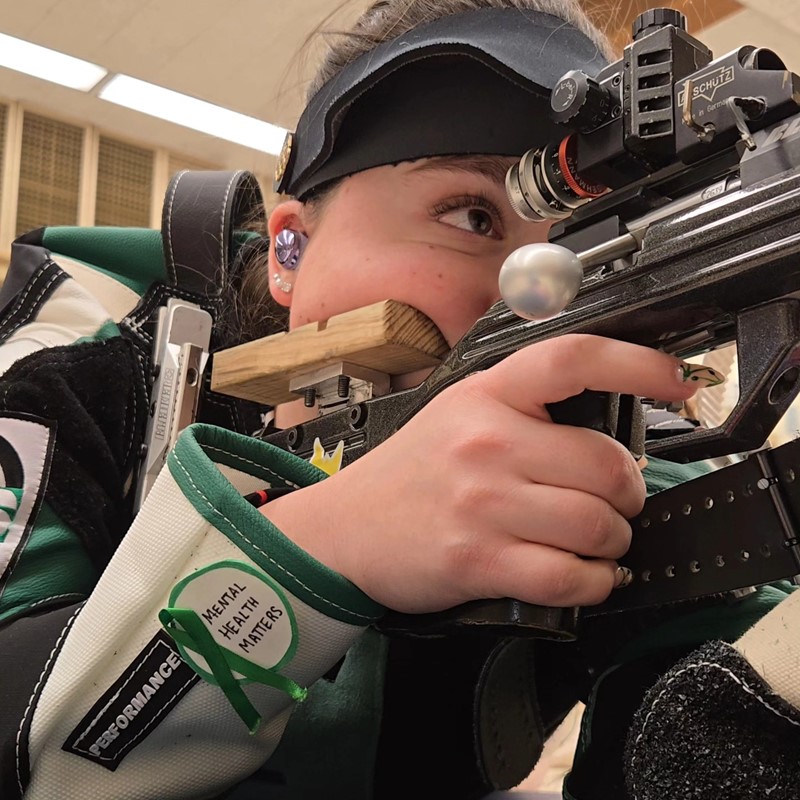
A two-time Olympian and Tokyo 2020 silver medallist, Mary has experienced the highs and lows that come with competing at the highest level. She has also been open about her own mental-health journey, using her experiences to encourage greater openness and support within the shooting community.
For World Mental Health Day, Mary spoke to the ISSF about pressure, self-confidence, overcoming difficult periods and the importance of creating an environment where athletes feel comfortable asking for help.
For World Mental Health Day, Mary spoke to the ISSF about pressure, self-confidence, overcoming difficult periods and the importance of creating an environment where athletes feel comfortable asking for help.
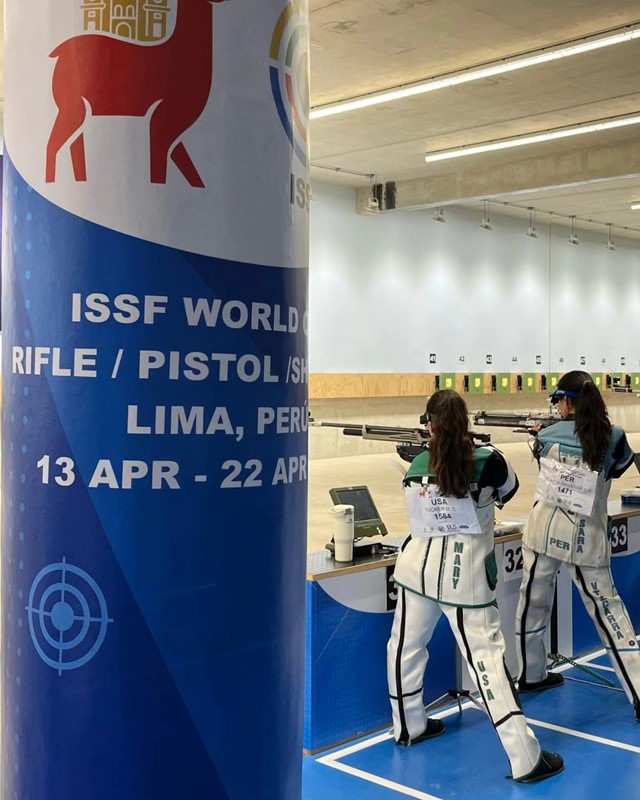
Working with pressure, not against it
Mary believes athletes should not expect themselves to simply switch off pressure or ignore expectations.
“I think it is less about managing the pressure or expectations and more about working with them,” she says. “Expecting thoughts and feelings to just go away is an unrealistic goal. The faster someone can realize that, the faster they can learn how to work with themselves.”
For Mary, confidence and positive self-talk have been central to that process. When she was younger, she struggled with pressure, but eventually changed the way she viewed it.
“I managed to convince myself that pressure actually helped me,” she explains. “When I experienced that it was true, I started loving pressure and feeling satisfaction from being able to do well when my physical and mental reactions were still there.”
The same approach has helped her with concentration. Rather than forcing herself to focus in a particular way, she learned to understand how she naturally performs.
“We have an advantage with shooting being an individual sport, so athletes should embrace that and find what works for them specifically to be able to work with themselves,” she says. “That is the biggest message I can give: work with what you naturally have, not against it.”
Mary believes athletes should not expect themselves to simply switch off pressure or ignore expectations.
“I think it is less about managing the pressure or expectations and more about working with them,” she says. “Expecting thoughts and feelings to just go away is an unrealistic goal. The faster someone can realize that, the faster they can learn how to work with themselves.”
For Mary, confidence and positive self-talk have been central to that process. When she was younger, she struggled with pressure, but eventually changed the way she viewed it.
“I managed to convince myself that pressure actually helped me,” she explains. “When I experienced that it was true, I started loving pressure and feeling satisfaction from being able to do well when my physical and mental reactions were still there.”
The same approach has helped her with concentration. Rather than forcing herself to focus in a particular way, she learned to understand how she naturally performs.
“We have an advantage with shooting being an individual sport, so athletes should embrace that and find what works for them specifically to be able to work with themselves,” she says. “That is the biggest message I can give: work with what you naturally have, not against it.”
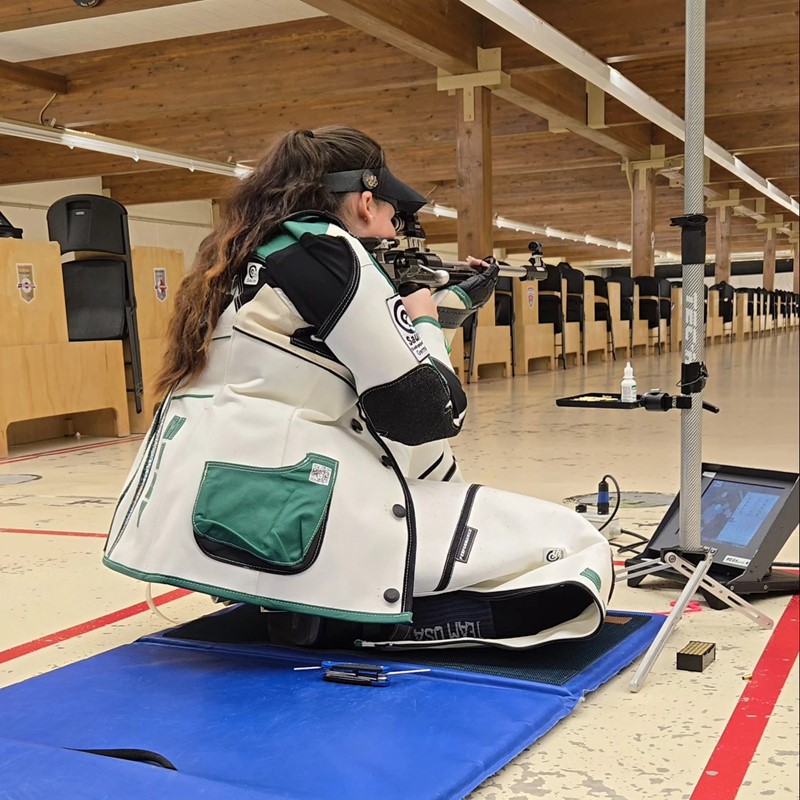
Turning personal experience into an open conversation
Mary has also chosen to speak publicly about her mental-health experiences because she knows what it feels like not to have somewhere to turn.
“I have always struggled with mental health, but never had anywhere to talk about it, and there was always so much stigma,” she says.
Her experiences during college, when she went through significant ups and downs largely on her own, changed the way she viewed the importance of speaking openly about mental health.
“That experience made me decide that I didn't want anyone else to be in that situation,” Mary explains. “I hope that by openly talking about my struggles, other athletes in the community feel like they can also speak up about needing help.”
For Mary, creating a supportive shooting community is an important part of that process.
“Being a part of and feeling accepted in your community is essential for good mental health,” she says. “I want to contribute to making our shooting community supportive and inclusive by keeping it real.”
Mary has also chosen to speak publicly about her mental-health experiences because she knows what it feels like not to have somewhere to turn.
“I have always struggled with mental health, but never had anywhere to talk about it, and there was always so much stigma,” she says.
Her experiences during college, when she went through significant ups and downs largely on her own, changed the way she viewed the importance of speaking openly about mental health.
“That experience made me decide that I didn't want anyone else to be in that situation,” Mary explains. “I hope that by openly talking about my struggles, other athletes in the community feel like they can also speak up about needing help.”
For Mary, creating a supportive shooting community is an important part of that process.
“Being a part of and feeling accepted in your community is essential for good mental health,” she says. “I want to contribute to making our shooting community supportive and inclusive by keeping it real.”

Staying true to yourself
The period following the Tokyo Olympic Games was another important chapter in Mary’s journey. Success, she says, can bring changes that are not always positive.
“I learned that I need to stay true to myself and be who I really am without trying to fit into other people's boxes,” she says.
Mary describes learning not to change herself to meet the expectations of others and instead building a support system around people who accept her for who she is.
“Although I still struggle, and this year continues to be one of my toughest, knowing who I am as a human being and having such a great support system keeps me floating,” she says.
That experience has also changed how she approaches difficult moments.
“I think having that tough period after Tokyo also showed me that I can overcome a lot,” Mary adds. “Now I challenge myself to persevere and encourage others to view challenges as overcomable.”
The period following the Tokyo Olympic Games was another important chapter in Mary’s journey. Success, she says, can bring changes that are not always positive.
“I learned that I need to stay true to myself and be who I really am without trying to fit into other people's boxes,” she says.
Mary describes learning not to change herself to meet the expectations of others and instead building a support system around people who accept her for who she is.
“Although I still struggle, and this year continues to be one of my toughest, knowing who I am as a human being and having such a great support system keeps me floating,” she says.
That experience has also changed how she approaches difficult moments.
“I think having that tough period after Tokyo also showed me that I can overcome a lot,” Mary adds. “Now I challenge myself to persevere and encourage others to view challenges as overcomable.”
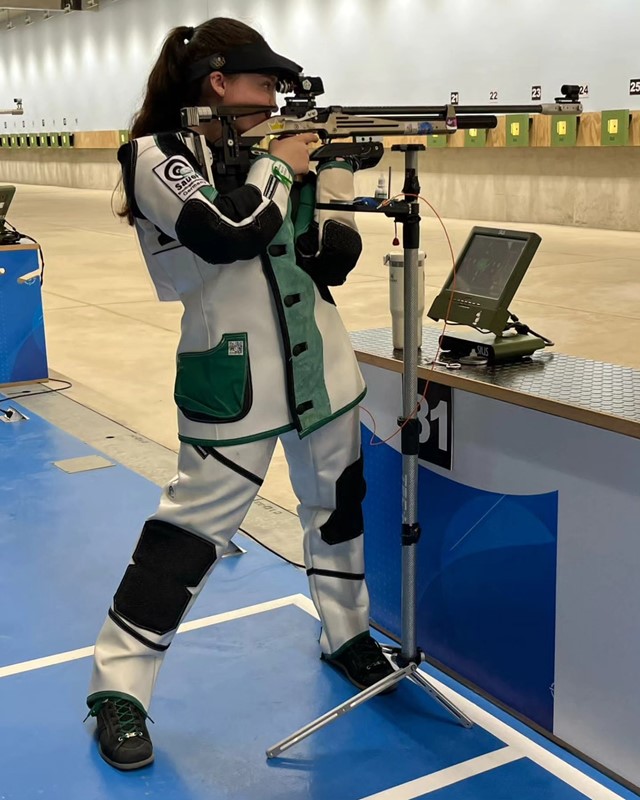
Creating an open door
Mary believes coaches, teammates and federations all have a role to play in creating environments where athletes can ask for help.
“Be open. Create an environment where anyone feels like they can go to you,” she says. “I don't mean you have to be best friends with everyone, but be an open door.”
She also encourages those supporting athletes to think carefully before reacting to situations they may not fully understand.
“It is important to keep different interpretations in mind when talking to each other and pause before having a reaction that could be harmful,” she says.
For coaches and federations, Mary recommends learning more about mental health and not being afraid to seek specialist advice.
“Coaches and federations may know a lot, but there is always more than can be learned, and you never know what could be helpful,” she says.
Mary believes coaches, teammates and federations all have a role to play in creating environments where athletes can ask for help.
“Be open. Create an environment where anyone feels like they can go to you,” she says. “I don't mean you have to be best friends with everyone, but be an open door.”
She also encourages those supporting athletes to think carefully before reacting to situations they may not fully understand.
“It is important to keep different interpretations in mind when talking to each other and pause before having a reaction that could be harmful,” she says.
For coaches and federations, Mary recommends learning more about mental health and not being afraid to seek specialist advice.
“Coaches and federations may know a lot, but there is always more than can be learned, and you never know what could be helpful,” she says.

“Getting help is one of the bravest things you can do”
For young shooters who may be struggling but feel they need to keep it to themselves, Mary has a simple message: asking for help is not something to be ashamed of.
“Getting help may feel scary or embarrassing, but it is one of the bravest and most admirable things you can do,” she says.
She encourages athletes to start small if necessary and reminds them that there is no single correct way to ask for support.
“No matter how big or small it is, or feels, getting it out will be beneficial, and there will be someone who has been there, and someone who can help you directly,” Mary says.
And for anyone who does not know where to begin, she offers a personal invitation: “My message box is always open if you don't know where to start.”
For young shooters who may be struggling but feel they need to keep it to themselves, Mary has a simple message: asking for help is not something to be ashamed of.
“Getting help may feel scary or embarrassing, but it is one of the bravest and most admirable things you can do,” she says.
She encourages athletes to start small if necessary and reminds them that there is no single correct way to ask for support.
“No matter how big or small it is, or feels, getting it out will be beneficial, and there will be someone who has been there, and someone who can help you directly,” Mary says.
And for anyone who does not know where to begin, she offers a personal invitation: “My message box is always open if you don't know where to start.”